
OIl&Gas
Mixing solutions for storage, blending and petroleum processes
Agitators for the Oil & Gas Sector
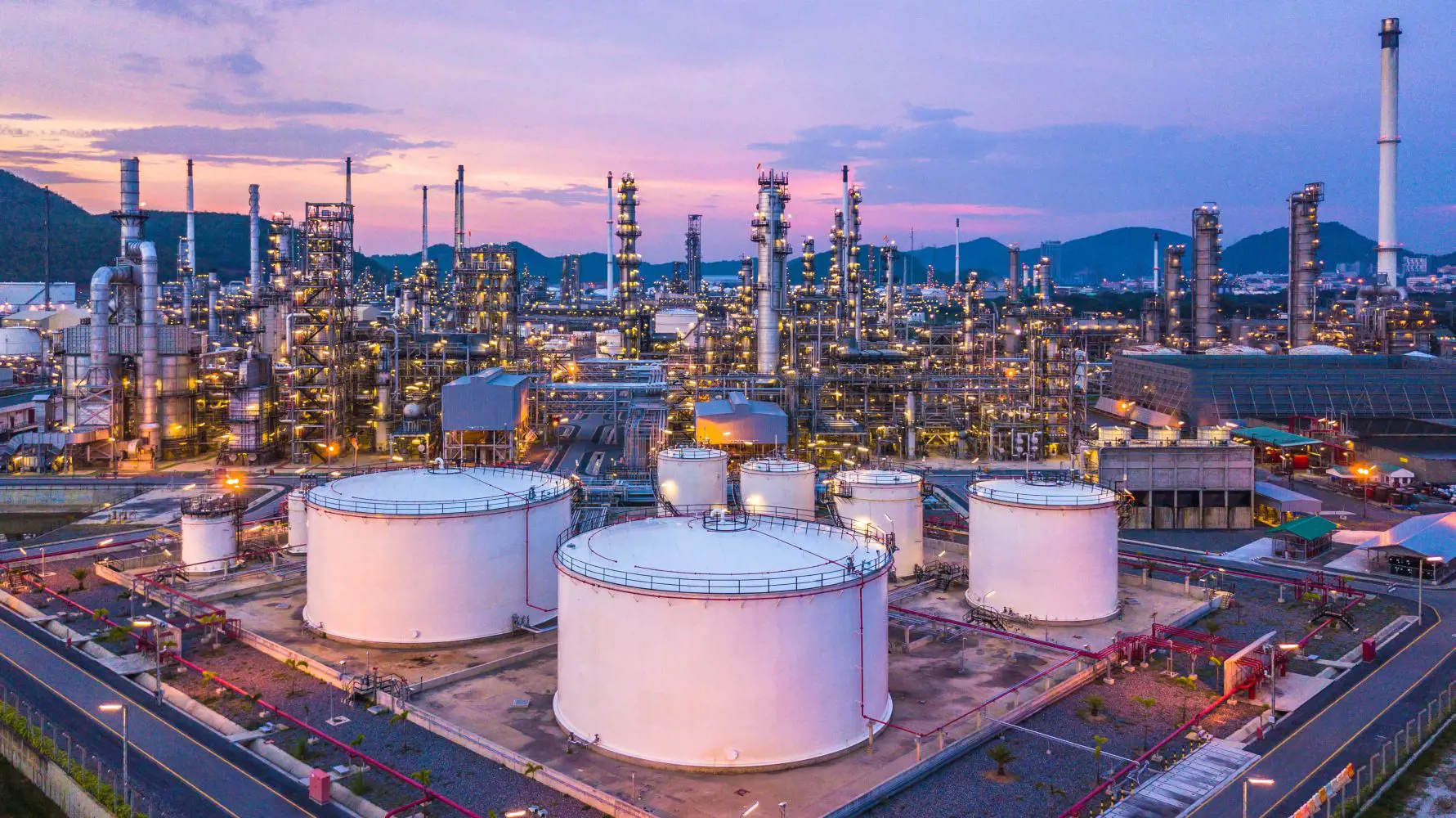
The oil & gas sector presents very specific mixing requirements, dominated by the management of large storage volumes and the need to keep in motion petroleum products characterized by high viscosities, presence of water and sediments, and long-term stratification tendency. Typical sector applications range from crude oil storage in large refinery and terminal tanks to blending of finished products to meet commercial specifications, from prevention of deposits on tank bottoms to the movement of substantial volumes in transfer and logistics stages.
The Interpump Process Technology range includes agitation solutions sized for the various needs of the petroleum sector, with a focus on side-mounted configurations that represent the technical standard for large storage tanks.
Mixing requirements in oil & gas
Storage tanks in the petroleum sector present operational characteristics that require dedicated mixing solutions. Three are the central technical requirements of the sector.BS&W prevention — Bottom Sediment & Water — is one of the most critical functions of agitators in crude storage tanks. In the absence of movement, water and sediments contained in the crude tend to separate and deposit on the tank bottom, forming a layer that reduces usable capacity, can cause corrosion problems on the tank bottom and contaminate discharged products. Constant agitation keeps these components suspended in the crude bulk, eliminating stratification and ensuring homogeneity of the stored product.
Petroleum product blending is the sector's second typical process function. Crudes of different origin, refining intermediates and additives must be mixed in defined proportions to obtain blends compliant with commercial specifications — gasoline, diesel fuels, fuel oils, marine bunker fuels. Agitation ensures that the mixture is homogeneous across the entire tank volume, eliminating composition differences that could cause off-spec batches at discharge.
Large volume management is the third structural element. Storage tanks in the petroleum sector can reach diameters of tens of meters and capacities of hundreds of thousands of cubic meters. At these scales, top agitation is impractical and the only efficient configuration is the side entry, with installation of multiple agitators distributed along the tank perimeter.
Technical characteristics for the oil & gas sector
Interpump Process Technology agitators for the oil & gas sector are sized based on the specific characteristics of each application: tank capacity, viscosity and composition of the processed product, installation and maintenance constraints, environmental and safety conditions. Selection of model, impeller, seal and construction materials is performed based on the operating parameters provided by the customer, with attention to the specific reliability and safety requirements of the petroleum sector.
For the needs of the oil & gas sector, the Interpump Process Technology range offers two main solution categories.
Side Entry Agitators
The reference configuration for large storage tanks in the petroleum sector. Angled installation on the tank wall generates a rotational motion of the entire crude volume, keeping water and sediments suspended and ensuring blend homogenization. On large tanks, the standard configuration involves multiple coordinated units distributed along the perimeter. The integrated Shut-Off system allows seal replacement with the tank full, eliminating downtime for maintenance typical of large terminals.
Vertical Agitators
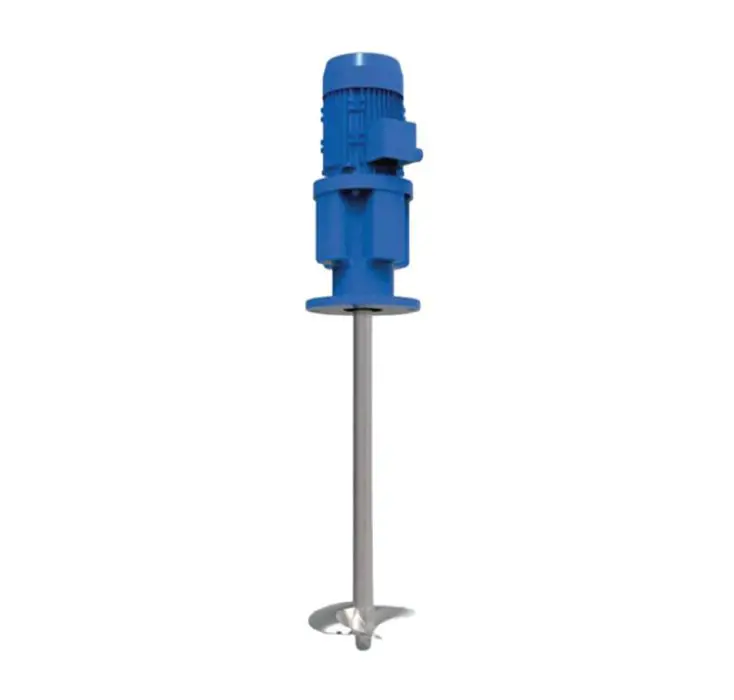
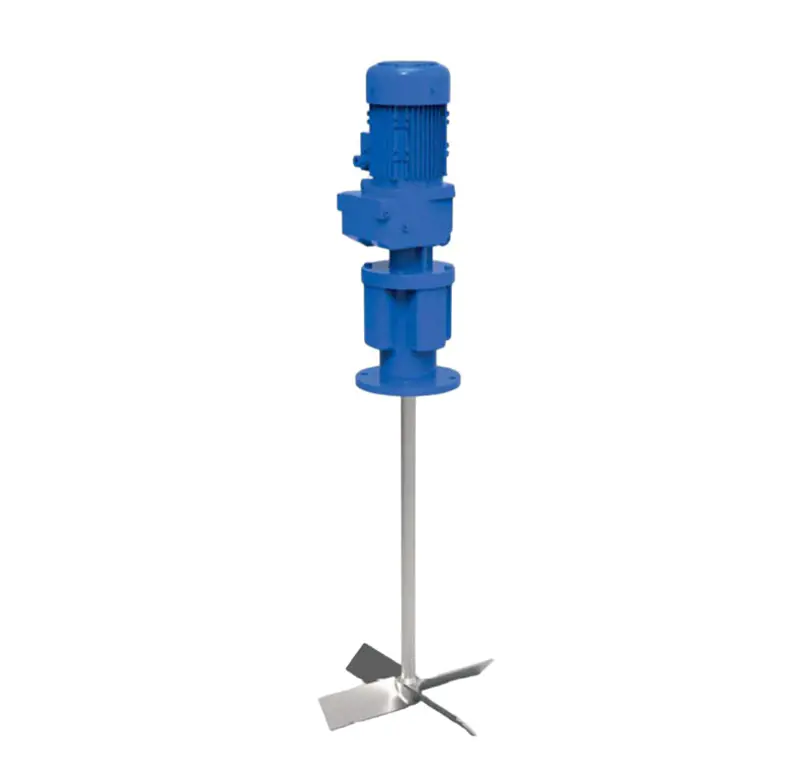
Indicated for process applications with smaller tanks, typically in treatment stages or in the preparation of additives and technical fluids used upstream and downstream of storage processes. Models with double mechanical seal (AR2T) are particularly indicated for the processing of petroleum products requiring high containment.

Applications
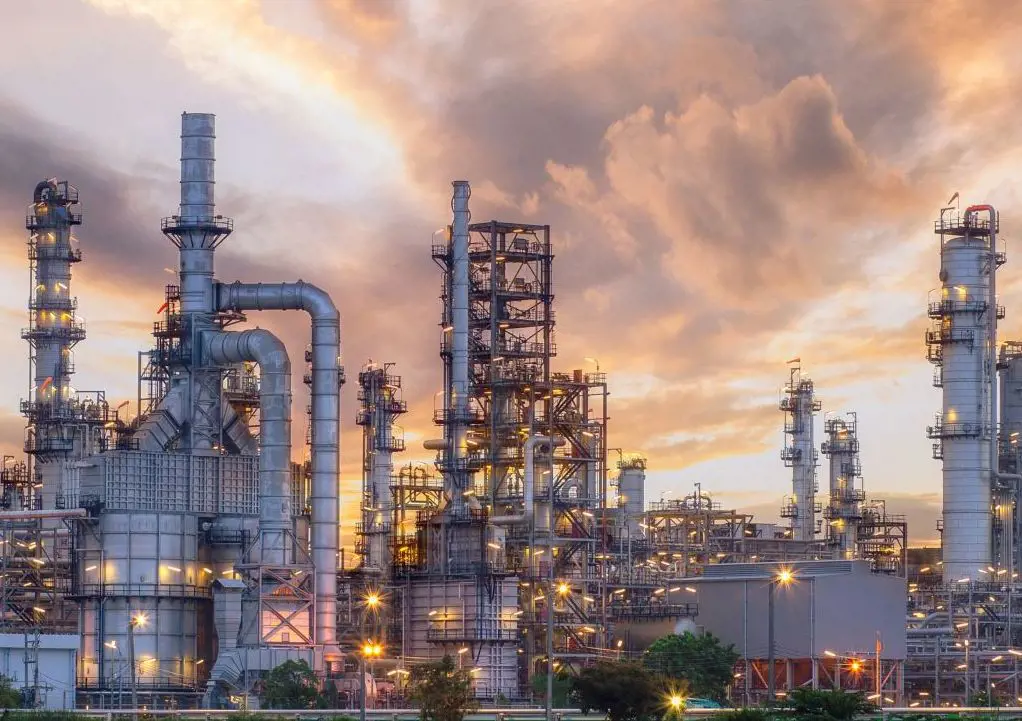

Additive mixing (anticorrosive agents, antifoaming agents, descaling agents)
Lubricating oil mixing
Bitumen mixing
Agitators for the oil & gas industry
Related Products

No products
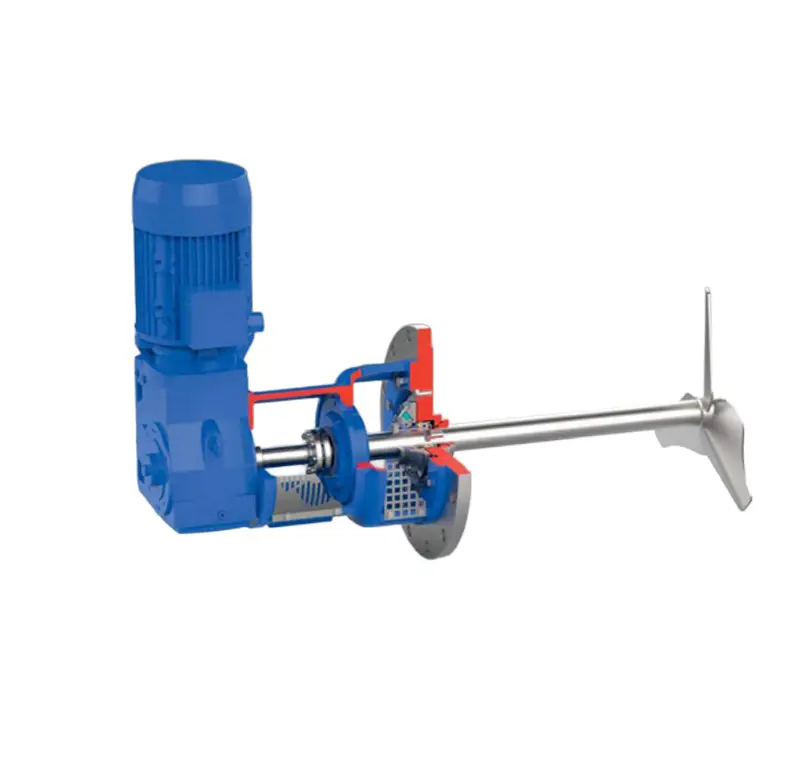
ARL Agitator
Geared Side Entry Agitator
Technical characteristics
- Power: 0,25 kW – 15 kW
- Pressure (bar): -1 to 10

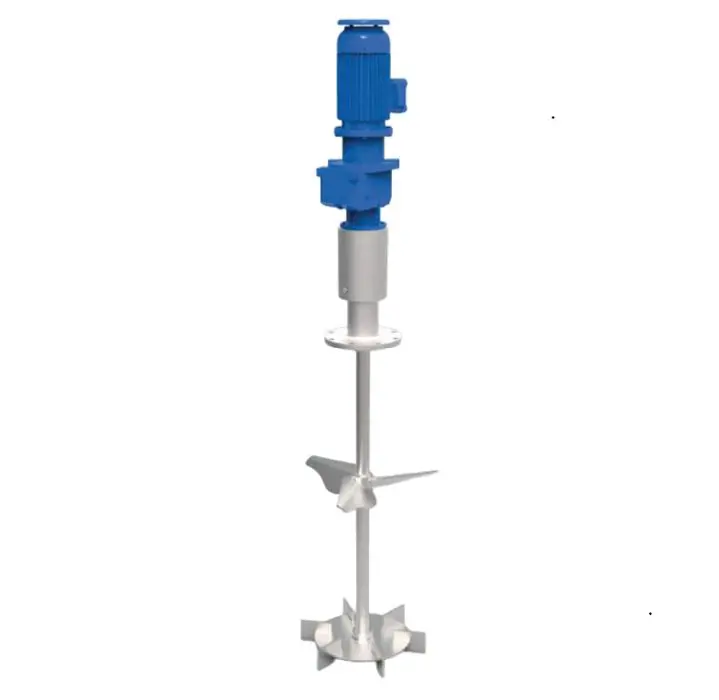
MST Agitator
Top-Mounted Vertical Magnetic Drive
Technical characteristics
- Power: 0,25 kW – 15 kW
- Pressure (bar): 0 to 70


Latest News
Read the other news
F.A.Q.
Contacts
Interpump is a large multinational group
*Data refer to year 2025